Parents searching for art camps for kids in San Diego usually want more than a place to keep their child busy during a school break. They want a camp that feels welcoming, keeps kids interested, introduces them to new skills, and gives them something meaningful to be proud of at the end of the day. This guide explains what parents should look for before choosing a creative camp, from age ranges and schedules to instructors, art activities, class size, and teaching style. It also explains what makes The Artist Outpost in Ocean Beach a unique option for families looking for creative experiences in San Diego.

Finding an Art Camp Your Child Will Actually Be Excited About
Searching for the best art camps for kids in San Diego can quickly become overwhelming because not every camp offers the same kind of experience. Some focus mostly on keeping kids entertained, while others provide structured lessons that may feel more like school than summer vacation. A great creative camp finds a comfortable space between those two extremes by giving children guidance while still leaving room for imagination, experimentation, and fun. For kids who already love drawing, painting, building, crafting, or making things, that balance can make art camp one of the highlights of a school break.
At The Artist Outpost in Ocean Beach, we believe kids should have opportunities to explore art without feeling like every project needs to look exactly like the teacher’s example. Our studio offers art and pottery experiences for young artists, including seasonal camps scheduled around school breaks, with opportunities to explore painting, crafts, clay, mixed media, and other creative activities. If you are already comparing options, you can explore our current kids art and pottery camps to see upcoming programs, age groups, schedules, and available camp options. That is also one of the best places to start if your search for “art classes for kids near me” or “kids art classes near me” brought you here.
1. What Makes a Great Art Camp for Kids?
The best art camps for kids in San Diego should give children more than a table, some supplies, and a craft to copy. A strong program gives kids enough instruction to learn something new while allowing them to make choices about colors, materials, subjects, techniques, and how their finished piece develops. Children should feel comfortable asking questions, trying something unfamiliar, and even changing direction halfway through a project. That freedom turns art from a simple activity into a genuine creative experience.
Parents should also look at how much variety is built into a camp before booking. A child may love painting but discover during camp that pottery, collage, printmaking, sculpture, or mixed media becomes their new favorite thing. Creative camps are especially valuable when they expose kids to materials and techniques that would be difficult, expensive, or messy to experiment with at home. The goal should not be to produce twenty children carrying home twenty identical projects.
The Artist Outpost currently describes its camps as small-group experiences with experienced artist instructors, thoughtfully developed themes, quality materials, pottery wheel access during clay camps, and projects children can be proud to bring home. That combination is important because great art camps for kids in San Diego should give children both creative freedom and the tools needed to turn their ideas into something real. A supportive studio gives kids permission to experiment without worrying that they are doing art “wrong.” That is often where some of their most interesting work begins.
2. Choose an Art Camp That Fits Your Child’s Age
Age matters when comparing art camps for kids in San Diego because a project that excites a six-year-old may not challenge a twelve-year-old. Younger artists often benefit from colorful, hands-on projects with room to explore materials and build confidence. Older kids and teens may want more advanced techniques, greater independence, and projects that allow them to develop their own artistic style. A good camp should consider both the physical abilities and creative interests of the age group it serves.
The Artist Outpost currently offers different experiences for different age ranges rather than treating every child as if they should be doing the same work. The camps page lists art camps for ages 4 to 11, clay and pottery opportunities for younger artists, and an Art + Clay camp designed for teens ages 12 to 17. This gives families searching for art camps for kids in San Diego the ability to look for a program that makes sense for their child’s stage of development. Current age requirements can vary by camp, so parents should always check the individual program before registering.
The right age group can also make the social side of camp more enjoyable. Kids are often more comfortable sharing ideas and collaborating when the other campers are working at a similar developmental level. Younger children can enjoy playful exploration without feeling rushed, while older students can take on more detailed or challenging work. That creates a better environment for creativity than forcing everyone into a single one-size-fits-all project.
3. Look Closely at the Daily Camp Schedule
Schedules are an important part of choosing art camps for kids in San Diego, especially for parents balancing work, vacations, family visits, and other summer activities. Before registering, check the camp’s starting and ending times, whether half-day options are available, what happens during lunch, and how the program changes throughout the day. A six-hour camp should not feel like six straight hours of sitting at a table completing one project. Children usually need changes of pace, opportunities to move around, and different creative experiences to stay engaged.
The Artist Outpost currently lists full-day art camp options from 9:00 a.m. to 3:00 p.m. and half-day options from 9:00 a.m. to noon. Camp mornings focus on painting and crafts, while afternoons can include student-led creative stations, artsy activities, and experiences such as LEGO racing. For families comparing art camps for kids in San Diego, having multiple schedule options can make it easier to choose a camp that fits both a child’s attention span and a parent’s calendar.
The camp calendar is another detail worth checking. The Artist Outpost schedules camps around San Diego Unified school breaks, including summer, fall, winter, spring, and select one-day holidays. That makes creative camp useful beyond summer vacation and gives parents another option when school is closed but regular family schedules continue. It can also give kids a familiar creative place to return to throughout the year.
4. Look for a Variety of Art Activities and Creative Mediums
One of the biggest advantages of art camps for kids in San Diego is the opportunity to let children try creative mediums they may not normally have access to at home or school. Painting is wonderful, but art can also include clay, drawing, collage, sculpture, printmaking, textiles, mixed media, design, building, and countless combinations of those mediums. Exposure matters because kids cannot know what kind of art they love until they get the opportunity to try it. Sometimes the child who says they are “not good at drawing” discovers that they absolutely love sculpting with clay.
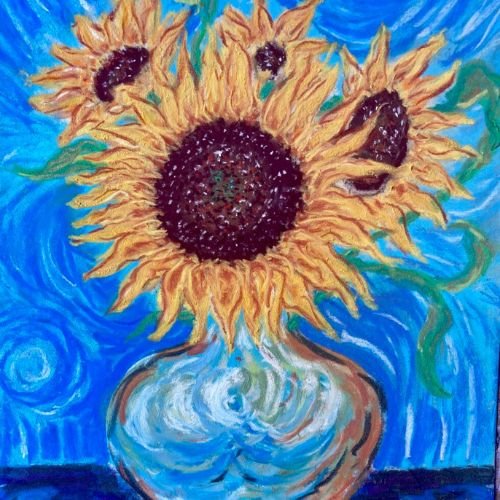
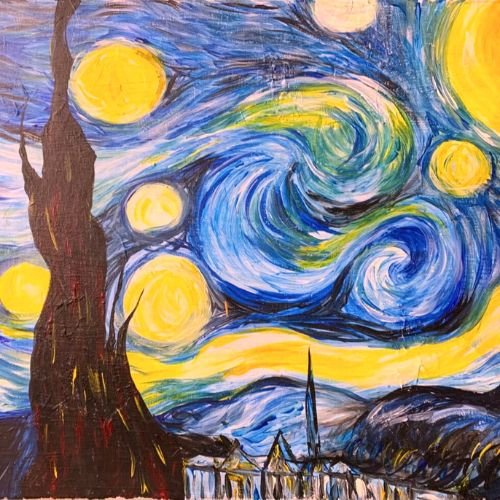
The Artist Outpost regularly works across a wide range of mediums in its youth programs, including acrylic, watercolor, ink, pastel, drawing, mixed media, pottery, hand-building, and other creative projects. Its current camp options include painting and crafts as well as clay camps where children can learn techniques such as wheel throwing, hand-building, glazing, pinch pots, and coils. That variety makes art camps for kids in San Diego especially appealing to curious kids who like making things but have not discovered one favorite medium yet.
Variety also helps prevent camp from becoming repetitive. Completing the same style of project every day can turn a creative activity into another routine assignment. Moving between different materials encourages children to approach problems differently and make new choices. One day they may think about color and composition, while another project asks them to think about shape, balance, texture, or how a three-dimensional object fits together.
5. Why Art Camp Is a Great Alternative to a Traditional Day Camp
Traditional camps can be fantastic, but they are not the right match for every child, which is why many families explore art camps for kids in San Diego as an alternative. Some kids love competitive sports and nonstop physical activities, while others are happiest when they can draw, build, paint, sculpt, invent, or spend an hour completely focused on creating something. Neither type of child is doing summer “correctly.” The important thing is finding an environment that matches your child’s interests and personality.
Creative camps also give children a different kind of challenge. Instead of asking who can run the fastest or score the most points, an art project may ask, “What do you want this to become?” There might be ten children working with the same materials and ten completely different answers. That makes art camps for kids in San Diego a strong option for children who thrive when imagination and individual choices are encouraged.
Art camp does not need to eliminate play either. A well-designed creative camp can combine projects, conversation, games, movement, collaborative activities, and independent exploration throughout the day. The Artist Outpost’s current camp format, for example, combines morning art projects with more student-led activities later in the day. The result is a camp experience that still feels like a school break instead of simply moving a child from one classroom into another.
6. Pay Attention to the Instructors and Studio Environment
Parents comparing art camps for kids in San Diego should pay attention to who is teaching, not just what projects appear in the camp description. Good instructors understand the difference between demonstrating a technique and taking control of a child’s project. They can offer guidance when a student is stuck while still allowing the child to make creative decisions. They should also know how to encourage beginners without making experienced young artists feel held back.
The physical and emotional environment matters too. Kids should feel comfortable experimenting, asking questions, making mistakes, and showing their work without worrying that everything will be compared to someone else’s project. The Artist Outpost describes its studio as welcoming and inclusive, with small camp groups intended to provide more personalized attention. That type of atmosphere is worth looking for whenever you compare art camps for kids in San Diego.
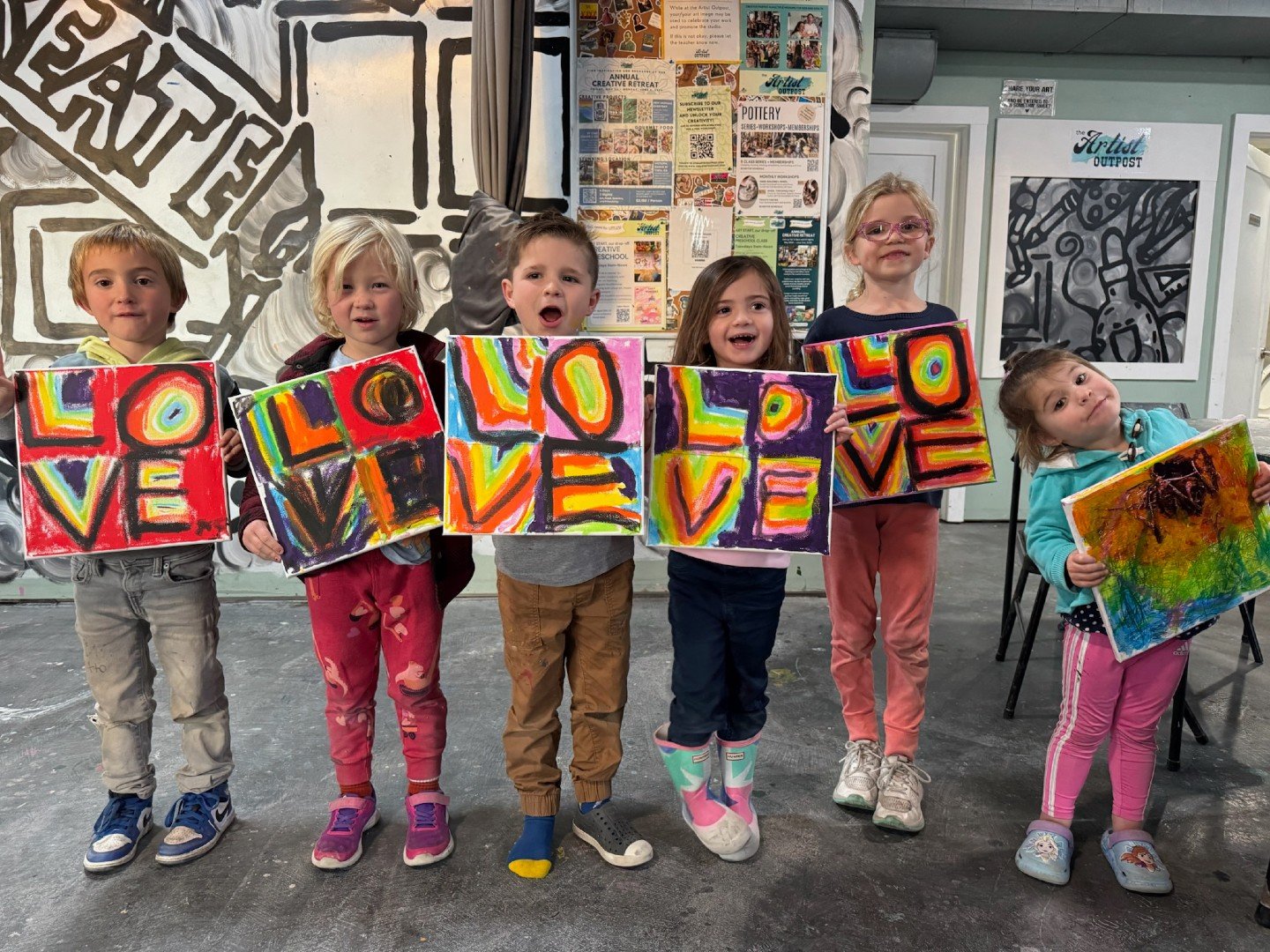
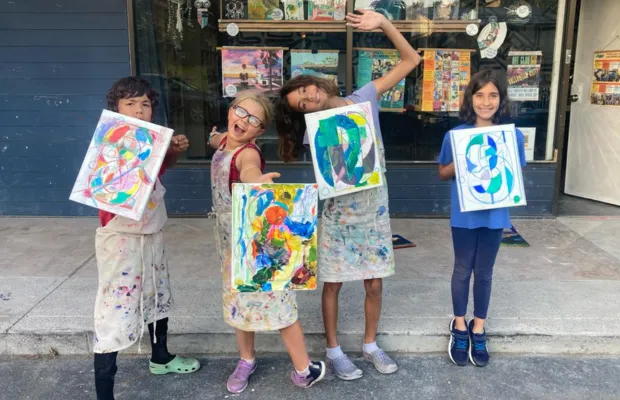
Parents can learn a lot by looking beyond a polished camp advertisement. Explore photos of the actual studio, look at examples of student work, read about the instructors, and see whether the program explains its teaching philosophy. If possible, look for a place where kids’ projects actually look different from one another. A room filled with individual ideas usually tells you more about a creative program than a perfectly staged photograph ever could.
7. Why Student-Led Art Experiences Matter
One reason art camps for kids in San Diego can be so memorable is that art naturally gives children opportunities to make decisions. A teacher can introduce watercolor techniques without deciding what every student must paint, or demonstrate clay construction without requiring twenty identical ceramic animals. Kids can start with the same lesson and still end somewhere completely different. That individual direction is a major part of what makes creative work exciting.
The Artist Outpost uses a student-centered approach throughout its programs and describes camp afternoons as student-led, with creative stations campers can explore. The larger studio philosophy is built around adapting classes based on what students are excited to learn while encouraging artistic exploration and individual expression. For parents comparing art camps for kids in San Diego, that means looking for a place where instructors listen to children rather than simply handing them instructions. Guidance still matters, but it should help a child’s idea grow rather than replace it.
This approach can be especially valuable for a child who already has strong interests. Maybe they love drawing characters, building tiny worlds, painting animals, designing clothes, or sculpting unusual creatures. A flexible art environment allows instructors to connect new techniques to something that already excites that student. When children become personally invested in what they are making, the learning tends to feel much more like discovery than an assignment.
8. What Makes The Artist Outpost Different?
There are many ways to spend a school break, but families looking for art camps for kids in San Diego may want something that feels connected to a real working art studio instead of a generic recreation program. The Artist Outpost is located in Ocean Beach and offers art and pottery programs for children and adults throughout the year. The studio was founded in 2018 with a community-focused mission centered on collaboration, creation, and giving people of different ages and experience levels a welcoming place to explore art. That year-round connection to the local creative community helps shape the camp experience.
Camp is not treated as an isolated activity that only exists for a few weeks each summer. Children can be introduced to painting, drawing, mixed media, pottery, and other techniques during camp, then continue exploring their interests through youth classes and future workshops. The studio currently offers programs ranging from early-childhood art through elementary, tween, teen, and youth pottery experiences. Families choosing art camps for kids in San Diego therefore have a path for continuing beyond the final day of camp if their child discovers something they love.
Ocean Beach also gives The Artist Outpost a creative neighborhood setting that matches the personality of the studio. The emphasis is not on creating perfect replicas or deciding who made the “best” artwork. It is about giving young artists tools, ideas, encouragement, and space to explore. That is why a pottery bowl that becomes a creature halfway through the project can sometimes be much more interesting than the bowl originally planned.
9. Searching for “Art Classes for Kids Near Me” in San Diego
Parents often discover art camps for kids in San Diego by typing phrases such as “art classes for kids near me,” “kids art classes near me,” or “art classes in San Diego” into Google. Location certainly matters, but the closest studio is not automatically the best fit for your child. Look at the age groups, activities, instructors, teaching style, schedule, class size, and types of materials children will actually use. A studio that is a few extra minutes away may be worth the drive if the program is much better matched to your child’s interests.
The Artist Outpost is located at 4934 Voltaire Street in Ocean Beach, San Diego, and its youth programs serve families from Ocean Beach and surrounding San Diego communities. That location can make it a convenient option for parents searching for art camps for kids in San Diego, particularly around Ocean Beach, Point Loma, Mission Beach, Bay Park, Mission Valley, and nearby areas. The studio also offers weekly youth classes in addition to seasonal camps, giving families different ways to participate.
When evaluating search results, visit the actual camp page instead of making your decision from the Google description alone. Look for clear information about ages, dates, hours, activities, registration, and what makes the program different. Current information is especially important because camp themes, schedules, openings, and age requirements can change throughout the year. A detailed program page makes it much easier to decide whether a camp fits your child before you register.
10. Questions Parents Should Ask Before Booking an Art Camp
Before choosing art camps for kids in San Diego, parents should feel comfortable asking practical questions. Find out who teaches the camp, how children are grouped, which supplies are included, whether beginners are welcome, what the daily schedule looks like, and how much of the program is structured versus open-ended. You may also want to ask about lunch, snacks, drop-off procedures, what children should wear, and whether finished pottery projects need to be picked up later after firing. Clear answers help prevent surprises on the first day.
A useful checklist includes questions such as:
- What ages is this camp designed for?
- Are beginners welcome?
- What art mediums will children explore?
- Are materials included?
- How large are the camp groups?
- Is the program mostly guided, student-led, or a mix of both?
- Are half-day and full-day options available?
- What should my child bring?
- Does my child need to pack lunch?
- When can pottery or fired clay projects be picked up?
- What is the cancellation or credit policy?
- Are there programs available if my child wants to continue taking art classes afterward?
Asking these questions does not mean you are being overly cautious. It simply helps you compare art camps for kids in San Diego based on the experience your child will actually have rather than choosing from a cute camp name or advertisement. A quality studio should be able to clearly explain how its program works. Parents deserve enough information to feel comfortable about where their child will spend the day.
Frequently Asked Questions About Art Camps for Kids in San Diego
Parents comparing art camps for kids in San Diego often have many of the same questions before registration. Age requirements, skill level, schedules, activities, and what children actually do all day are especially common concerns. The answers below provide a starting point for deciding whether creative camp is a good match for your family. Specific programs can change by season, so always review current registration information before booking.
What Ages Are Art Camps Usually Designed For?
Age ranges vary between art camps for kids in San Diego, so parents should check the requirements for each individual program instead of assuming every camp serves every age. At The Artist Outpost, the current camps page lists art camp for ages 4 to 11, clay opportunities for younger artists, and a summer Art + Clay program for teens ages 12 to 17. Separating programs by age helps instructors choose projects and techniques that make sense for the children participating. It also gives older kids opportunities for more advanced work rather than asking them to complete projects designed for very young campers. Parents should check the current camp listing because specific age ranges may vary by program or season.
What Do Kids Actually Do at Art Camp?
Activities vary between art camps for kids in San Diego, but a good program should involve more than completing one basic craft after another. Children may paint, draw, sculpt, work with clay, create mixed-media pieces, build objects, experiment with design, or explore other artistic techniques. The Artist Outpost’s current art camps include painting and crafts, while its clay camps include wheel throwing, hand-building, glazing, and foundational pottery techniques. Some camp periods also give children freedom to choose between creative stations and explore projects more independently. The best program for your child is usually one that offers enough variety to keep them curious throughout the session.
Is Half-Day or Full-Day Art Camp Better?
There is no single correct schedule for art camps for kids in San Diego because the best choice depends on your child and your family’s needs. Younger children or first-time campers may enjoy starting with a half-day experience, while kids who can happily spend hours creating may prefer a full day. The Artist Outpost currently lists half-day art camp from 9:00 a.m. to noon and full-day camp from 9:00 a.m. to 3:00 p.m. Full-day programs can provide more time for projects, lunch, games, and open exploration without forcing every minute to be filled with direct instruction. Parents should consider both their schedule and how long their child typically enjoys staying engaged in group activities.
Does My Child Need to Be Good at Art?
Absolutely not, and quality art camps for kids in San Diego should not expect children to arrive with advanced artistic skills. Camp can be a place for a child who draws every day, a child who has never touched clay, or someone who simply wants to try something different during school break. Good art instruction meets students where they are and teaches techniques without turning every project into a test. The Artist Outpost’s broader youth programs emphasize exploration, creativity, confidence, and self-expression rather than requiring children to already be experienced artists. Interest and curiosity are much more useful starting points than technical skill.
What Should I Look for When Comparing Kids Art Camps?
When comparing art camps for kids in San Diego, start with age fit, class size, instructors, activities, scheduling, supplies, and teaching philosophy. Look at whether children will actually learn techniques while still getting enough freedom to make creative choices. Parents searching for “kids art classes near me” should also look beyond distance and consider whether the studio offers a comfortable environment where their particular child is likely to enjoy participating. Check photos of student projects and look for variety rather than rows of identical finished pieces. Finally, make sure practical information such as hours, drop-off, materials, registration policies, and age requirements is clearly explained.
Are Art Camps Only Available During Summer?
Not necessarily, because some art camps for kids in San Diego are offered during multiple school breaks throughout the year. The Artist Outpost currently schedules camps around the San Diego Unified calendar, with options during fall, winter, spring, and summer breaks as well as select school holidays. This can be especially useful for working parents who need activities during shorter school closures. It also gives children who love camp another opportunity to return without waiting an entire year. Check the current camp calendar throughout the year because available programs and dates can change seasonally.
How Early Should Parents Book Art Camp?
Popular art camps for kids in San Diego can have limited space, particularly when studios intentionally keep camp groups smaller. Parents who already know their school-break or vacation schedule may benefit from reviewing camp options early rather than waiting until the final week before a break. At The Artist Outpost, small group sizes are specifically highlighted as part of the camp experience, so availability can naturally be more limited than a large recreation program. Booking earlier also gives families more flexibility when choosing between age groups, themes, half-day options, and full-day schedules. If a specific week matters to your family, check current availability as soon as your plans are reasonably firm.
Give Your Child a School Break Filled With Creativity
Choosing between art camps for kids in San Diego should ultimately come down to one question: where will your child feel excited to explore, create, and try something new? Look beyond flashy camp names and focus on the actual experience, including the instructors, age groups, schedule, materials, class size, projects, and amount of creative freedom children receive. The right camp should introduce skills without making art feel like another assignment. Kids should leave with new ideas, interesting projects, and hopefully a desire to keep creating.
At The Artist Outpost in Ocean Beach, our goal is to create that kind of experience by combining instruction, exploration, and student-led creativity in a welcoming studio community. Our programs are designed for kids with different interests and experience levels, whether they already spend every free minute drawing or are about to try pottery for the very first time. Families looking for “art classes for kids near me,” “kids art classes near me,” or “art classes in San Diego” can explore seasonal camp options alongside our year-round youth art programs. Current camp dates, age groups, schedules, and registration options are available on our Art and Pottery Camps page.
The best art camps for kids in San Diego are not about sending every child home with a perfect masterpiece. They are about giving young artists the freedom to wonder, experiment, build, paint, sculpt, make mistakes, change their minds, and discover what they enjoy creating. Sometimes the project that looks nothing like the original plan is the one a child remembers most. That journey of discovery is exactly what makes art worth exploring.